
In the dynamic world of industrial automation and material handling, the quest for conveying solutions that combine accuracy, reliability, and flexibility is perpetual. Among the array of technologies available, the synchronous belt conveyor stands out as a pinnacle of engineered efficiency. Distinct from traditional friction-based conveyors, it utilizes a positive drive mechanism to offer unmatched precision and control. This paper delves into the core functions, operational principles, and diverse application scenarios of synchronous belt conveyors, highlighting why they are indispensable in modern manufacturing and logistics.
I. Core Functions and Operational Principles
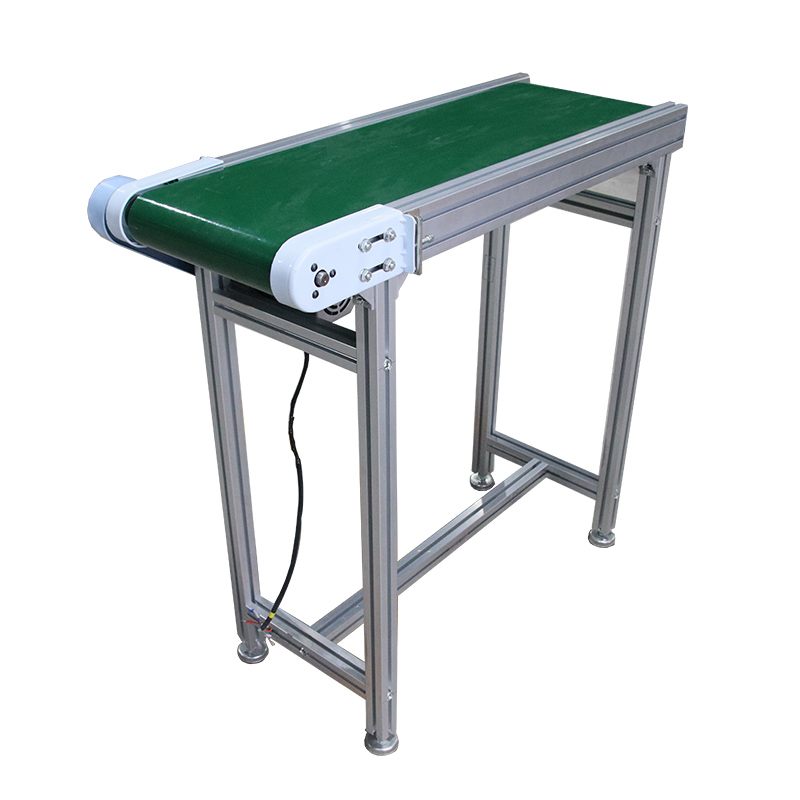
A synchronous belt conveyor integrates a tooth-profiled belt (similar to a timing belt) meshing with precisely machined pulleys or sprockets. This positive engagement is the cornerstone of its functionality.
1. Precise Synchronous Movement:
The primary and defining function is the elimination of slip between the belt and the drive pulley. The teeth on the belt mesh perfectly with the grooves on the pulley, ensuring a direct, 1:1 drive ratio. This guarantees that the linear speed of the belt is perfectly synchronized with the rotational speed of the motor. This is critical for:
• Accurate Positioning: Products can be moved to exact locations for operations like assembly, machining, or inspection, often without the need for additional stop mechanisms.
• Synchronized Transfer: In multi-station automated lines, such as packaging or electronics assembly, the conveyor can index products precisely in unison with robotic arms or other machines.
2. High-Torque Power Transmission:
The tooth-mesh design allows for the transmission of significant power and torque even in compact designs and on inclines. Unlike flat belts that rely on friction and can slip under load, synchronous belts maintain positive engagement, making them ideal for:
• Moving Heavy Loads: Capable of handling substantial unit weights, from automotive components to palletized goods.
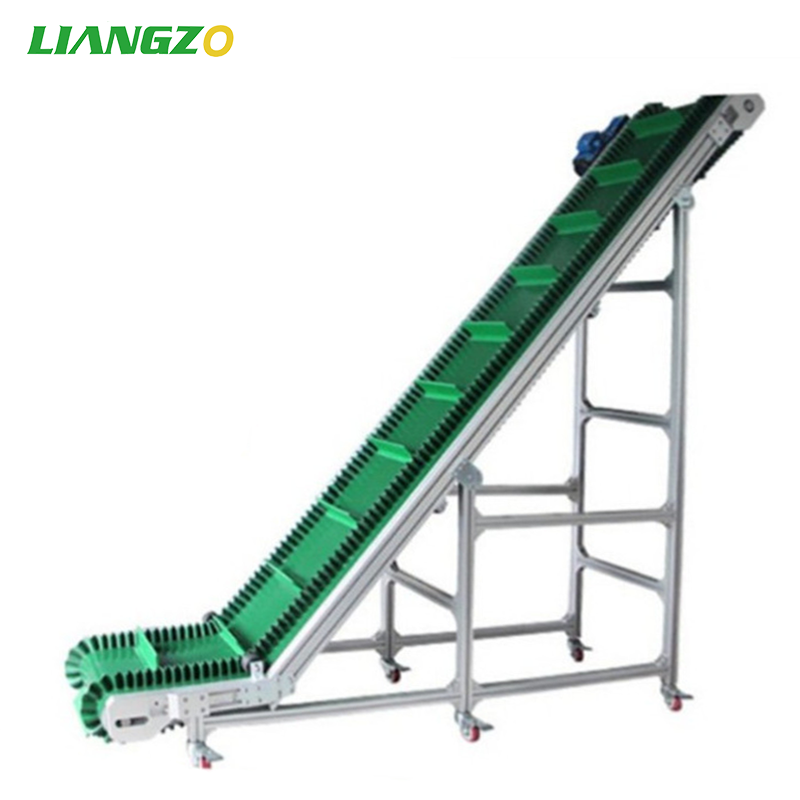
• Steep Incline/Decline Conveying: They can reliably move products up and down significant slopes without rollback, a challenge for many other conveyor types.
3. Clean and Contaminant-Free Operation:
Synchronous belts, often made from polyurethane or reinforced rubber, generate minimal particulate debris. They do not require lubrication, unlike chains, which can drip oil or grease. This makes them inherently cleaner and suitable for:
• Cleanroom Environments: Pharmaceuticals, medical device manufacturing, and semiconductor production.
• Food and Beverage Processing: Where hygiene is paramount, using FDA/USDA-approved belt materials.
4. Low Maintenance and High Durability:
With no metal-on-metal contact like chain drives and no slip-induced wear like friction drives, these systems experience less wear. Key benefits include:
• Reduced Downtime: No need for constant tension adjustments to combat slip or frequent lubrication schedules.
• Long Service Life: High-quality belts and pulleys are resistant to abrasion, elongation, and many chemicals.
5. Flexibility in Layout and Configuration:
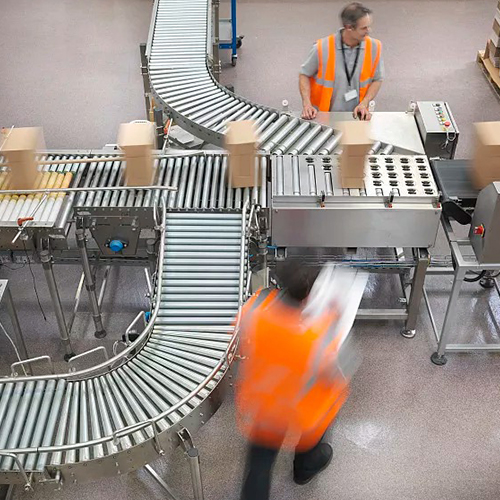
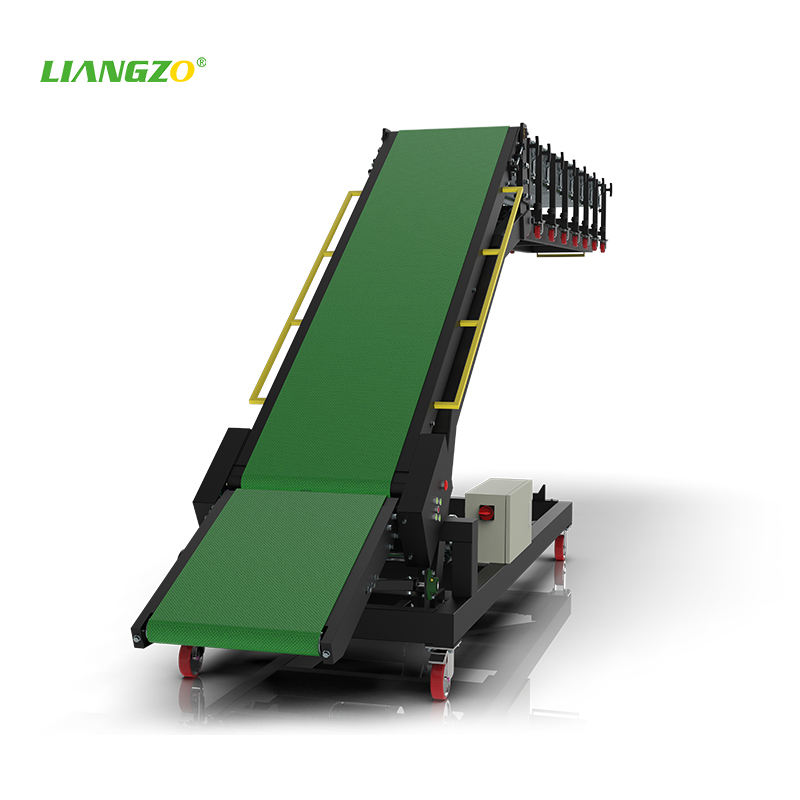
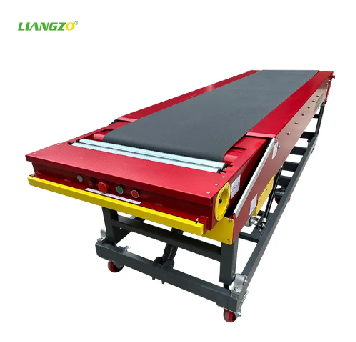
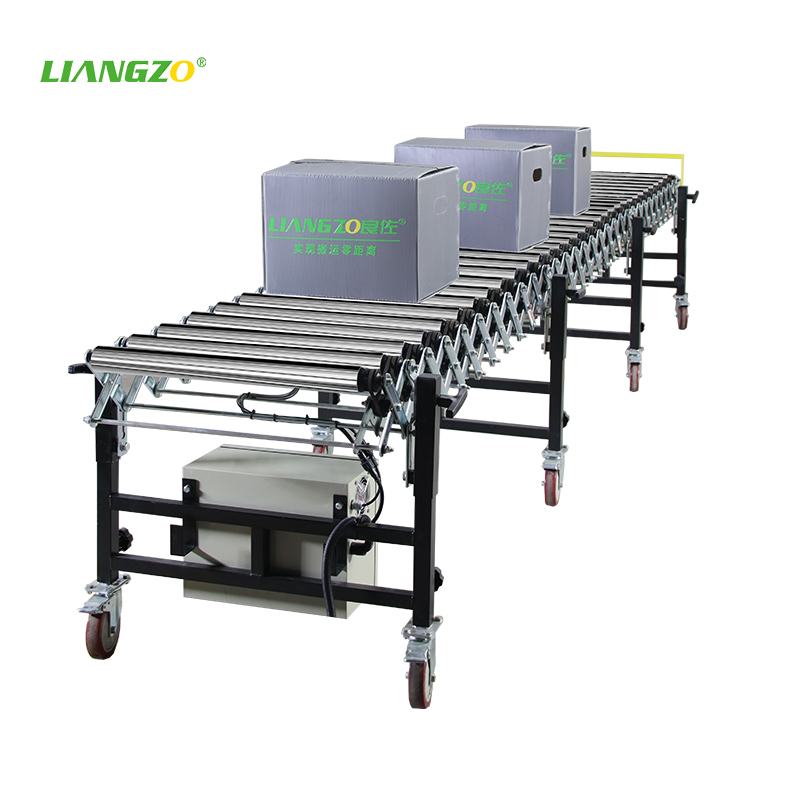
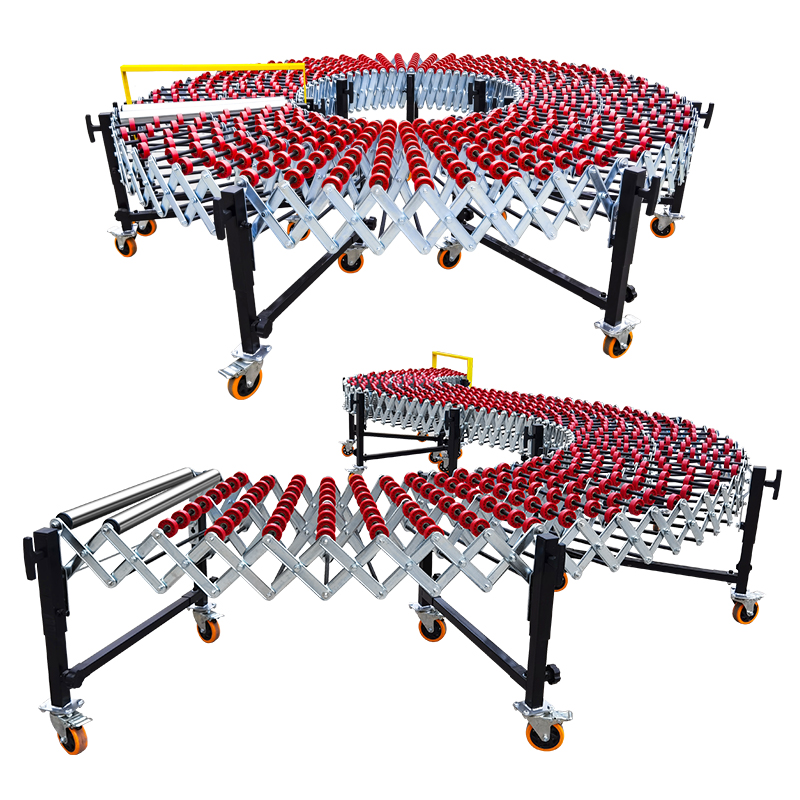
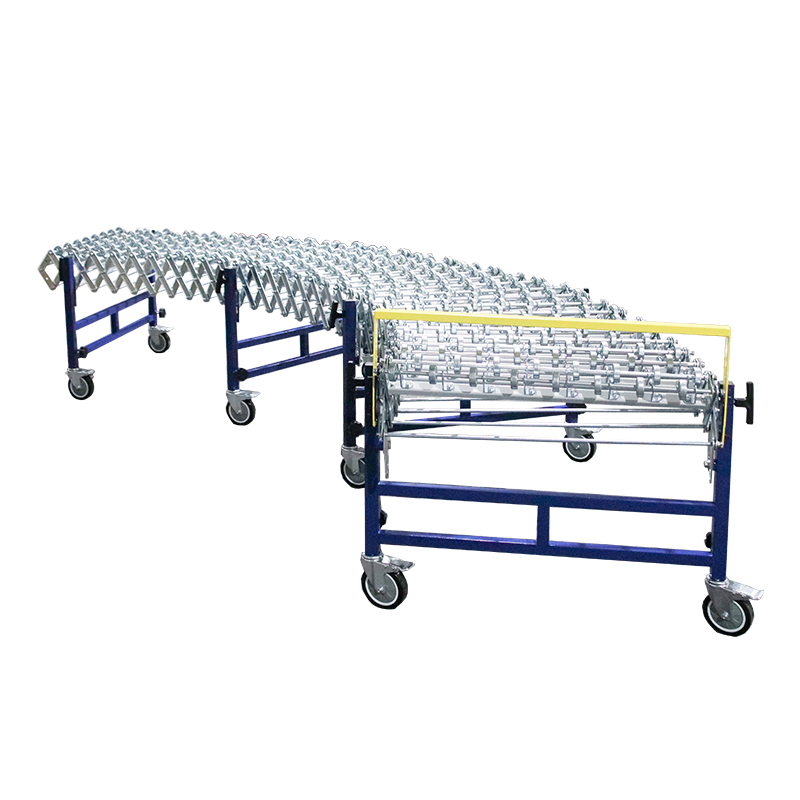
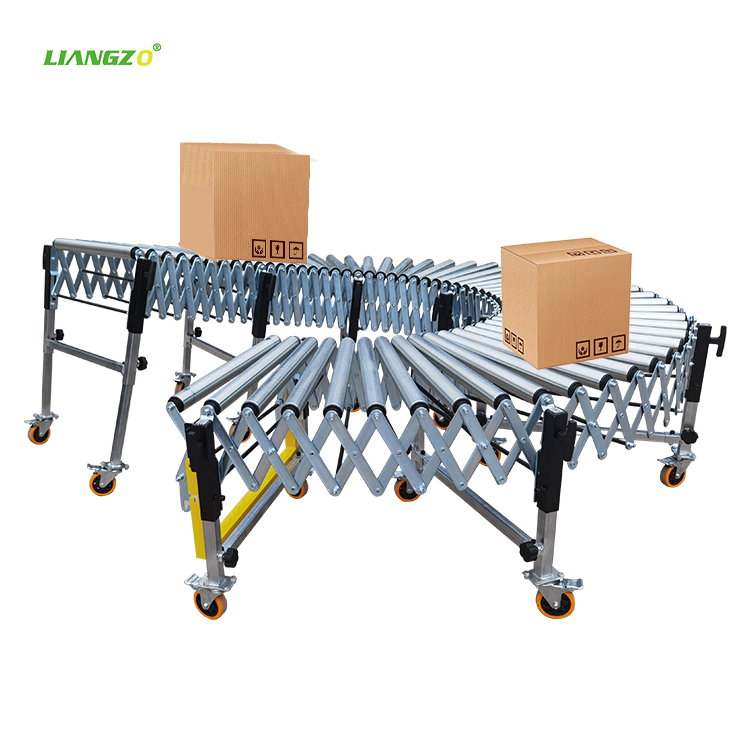
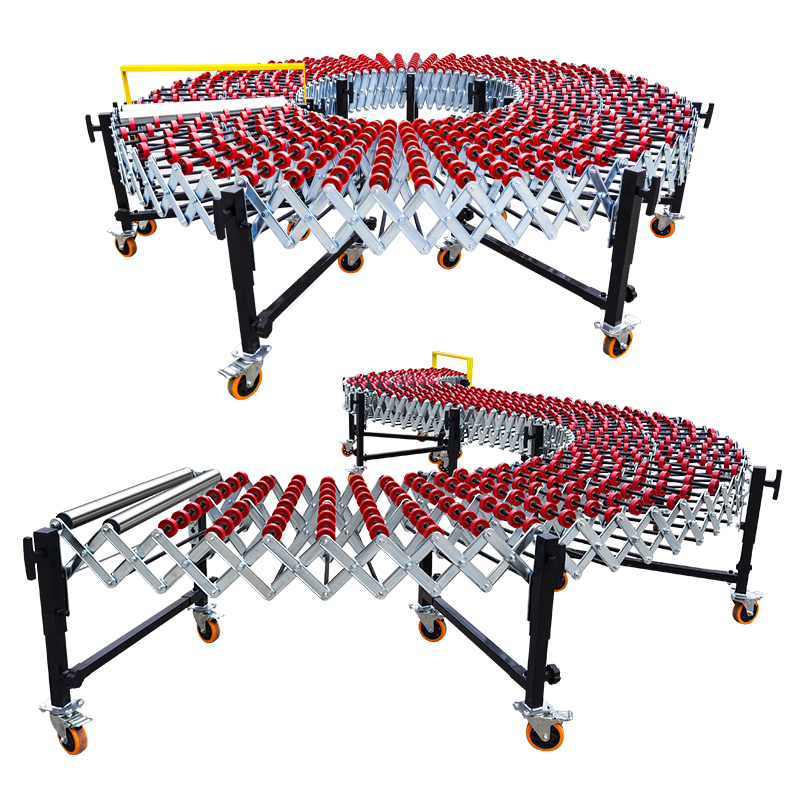
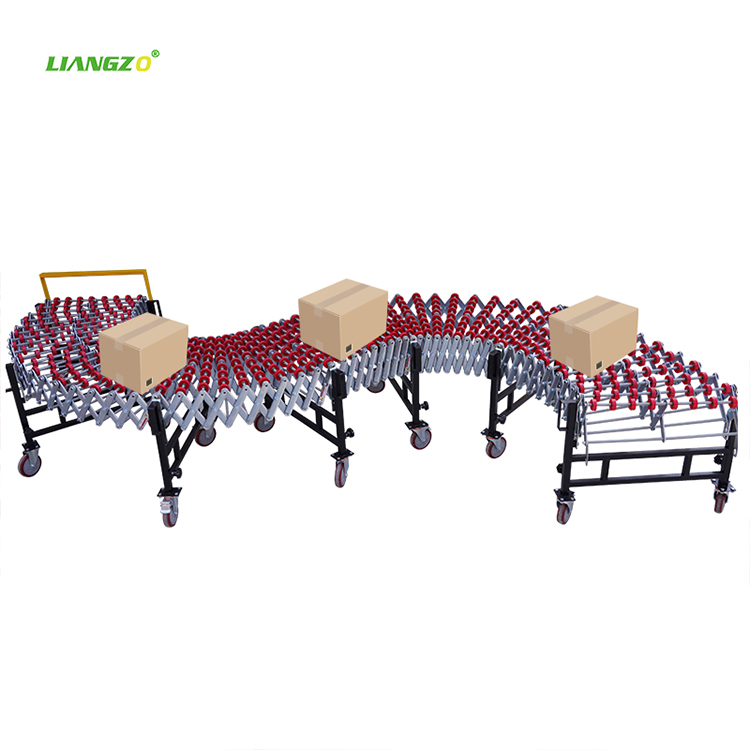
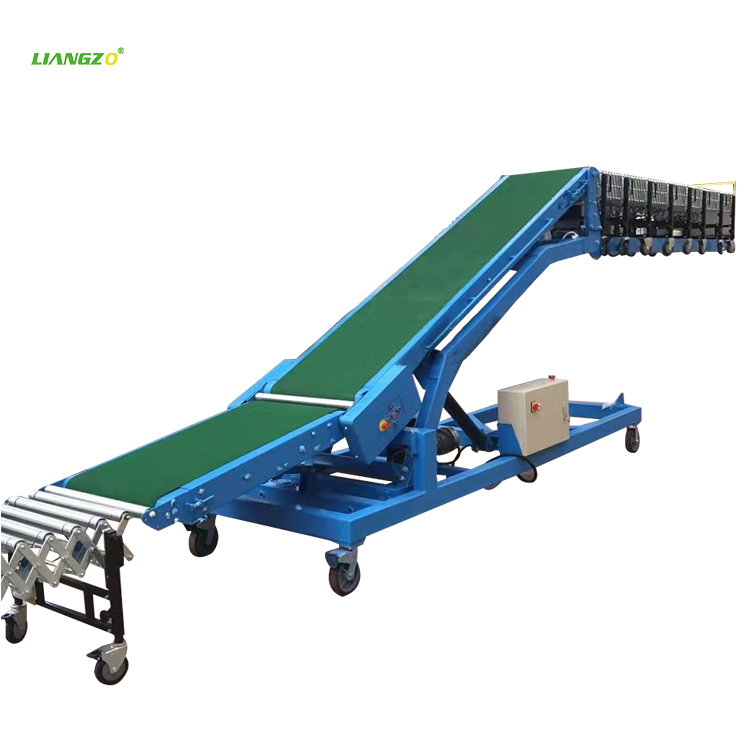
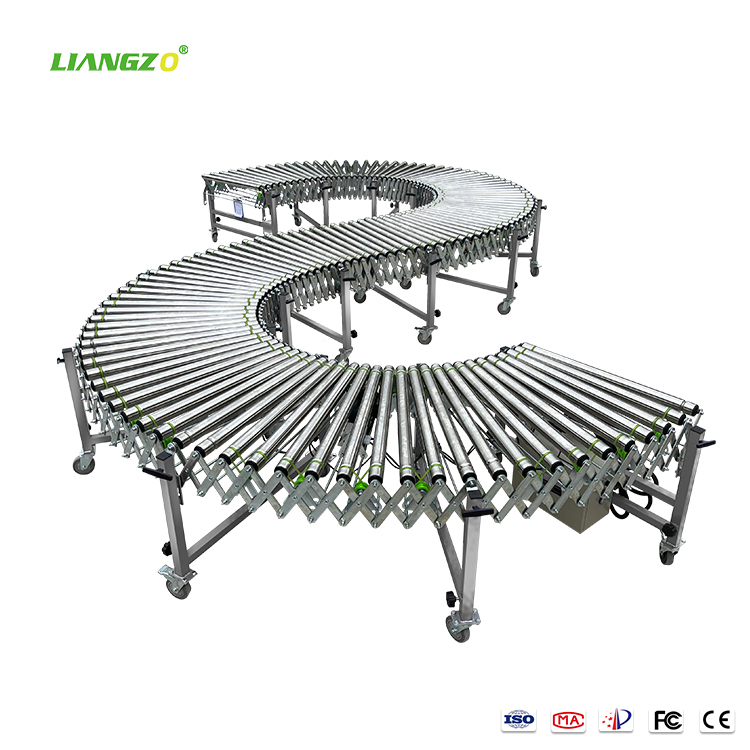
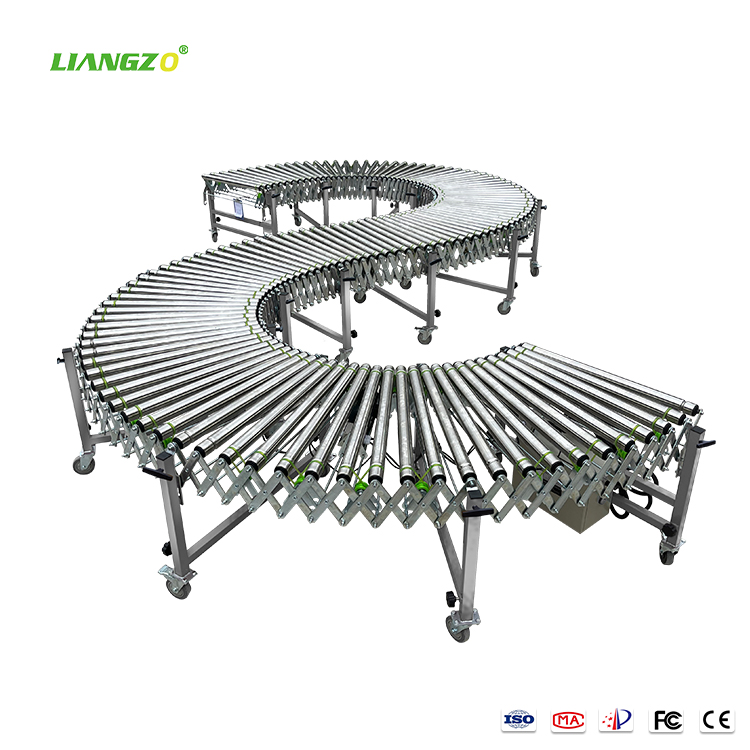
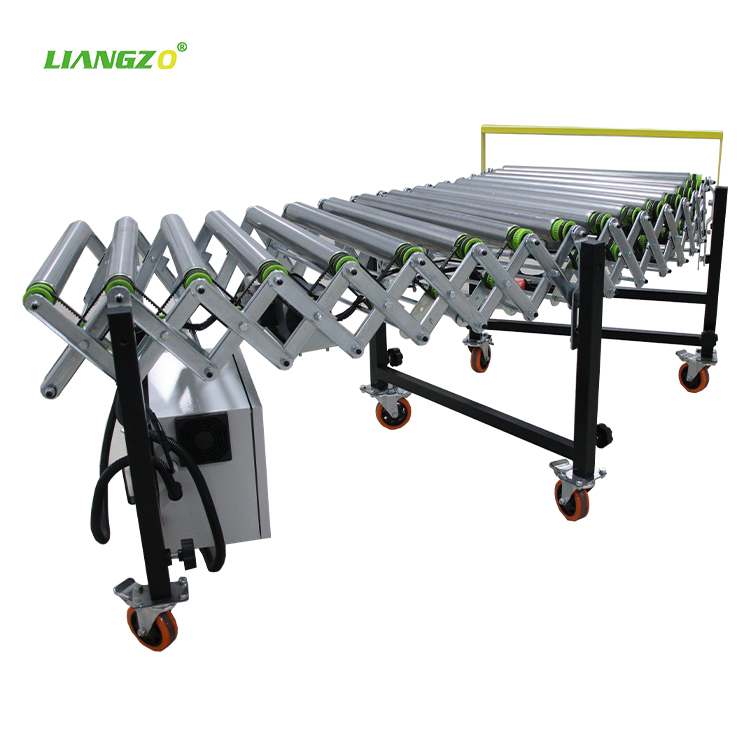
Despite being "synchronous," these conveyors are highly adaptable. They can be configured in straight runs, curves (using special guide systems), and even on telescopic or portable frames. The Liangzo Synchronous Belt Roller Conveyormentioned is a prime example, combining the precision of synchronous drive with the spatial adaptability of a telescopic boom for loading/unloading operations.
II. Application Scenarios Across Industries
The unique functional blend of precision, power, and cleanliness opens doors to a vast spectrum of industrial applications.
1. Automotive Manufacturing:
This industry demands robustness and precision. Synchronous belt conveyors are used for:
• Engine and Transmission Assembly: Precisely moving heavy powertrain components through sequential assembly and testing stations.
• Body-in-White (BIW) Lines: Transporting car bodies between robotic welding cells with accurate positioning for repeatable welds.
• Paint Shops: Moving carriers and skids through cleaning, priming, painting, and baking stages, where cleanliness and reliability are critical.
2. Electronics and Semiconductor Manufacturing:
Here, precision and contamination control are non-negotiable.
• PCB Assembly: Transporting printed circuit boards through screen printing, component placement, reflow soldering, and inspection. The precise indexing ensures components are placed accurately.
• Semiconductor Wafer Handling: In cleanrooms, these conveyors move wafer cassettes between photolithography, etching, and deposition tools. Any slip or vibration could ruin millions of dollars worth of product.
• Consumer Electronics Assembly: Precise movement of devices like smartphones and laptops through automated assembly and testing lines.
3. Food and Beverage Processing & Packaging:
Hygiene, washdown capability, and gentle handling are key.
• Bottling and Canning Lines: Accurately indexing containers for filling, capping, and labeling. Synchronous belts handle the high speeds and wet conditions reliably.
• Primary Packaging: Moving trays, cartons, or blister packs for automated loading with food products or pharmaceuticals.
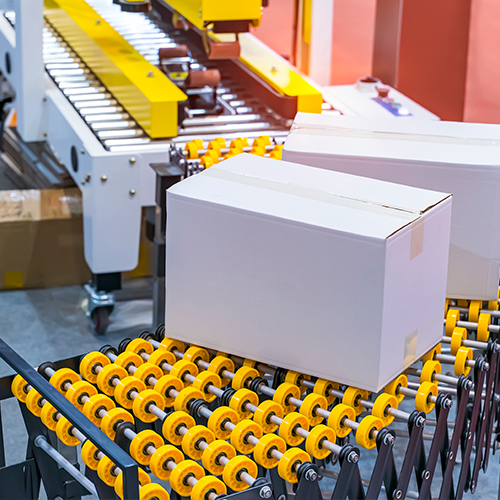
• Case Handling: Transporting filled boxes or totes to palletizing zones. The positive drive handles variable weights effectively.
4. Pharmaceutical and Medical Devices:
This sector parallels food in hygiene needs but adds stringent traceability and precision.
• Vial and Syringe Processing: Conveying through washing, sterilizing, filling, and stoppering machines in aseptic environments.
• Packaging and Serialization: Precisely moving cartons past printers and scanners to apply unique serial codes for track-and-trace compliance.
• Medical Device Assembly: Handling delicate components for items like diagnostic kits or surgical instruments with exact positioning.
5. Logistics, Parcel, and Airport Baggage Handling:
This environment requires durability, variable speed control, and the ability to handle a vast range of sizes and weights.
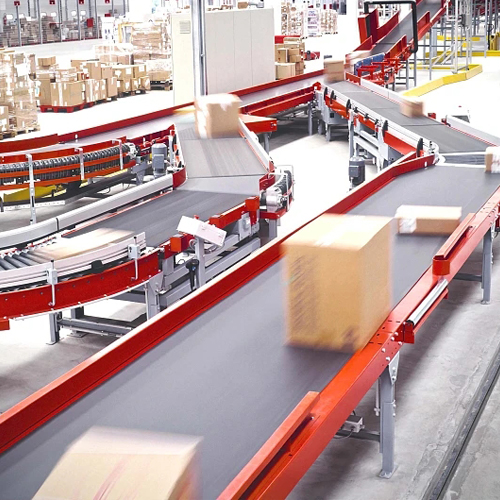
• Sortation Systems: As a feed conveyor to high-speed sorters, the synchronous drive ensures parcels are presented at the correct gap and speed for accurate scanning and diverting.
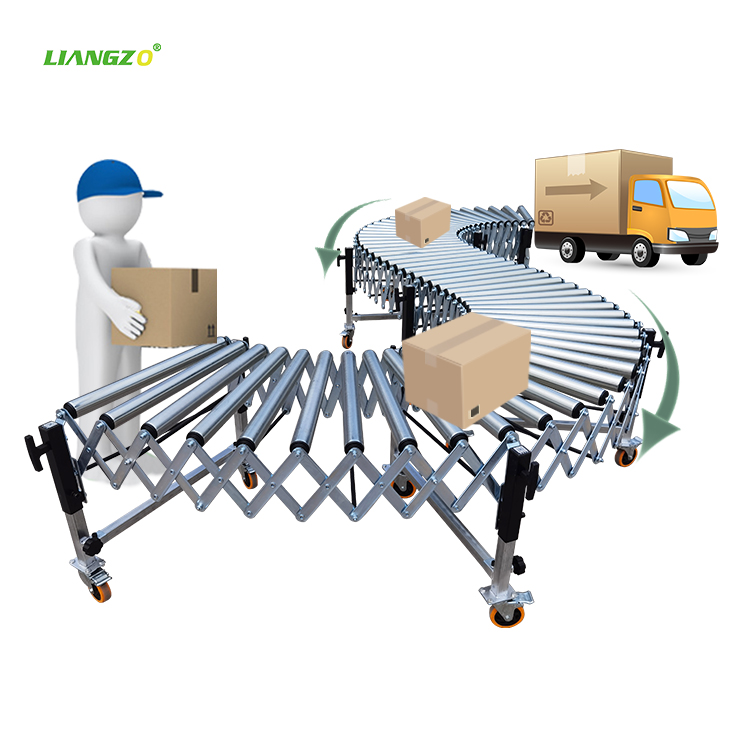
• Loading/Unloading Docks: This is the direct application for products like the Liangzo Telescopic Conveyor. The expandable boom, powered by a synchronous belt, allows operators to place packages directly into the far reaches of a truck trailer or shipping container with minimal manual effort. The belt's positive drive ensures it keeps running steadily even under the load of heavy boxes.
• Baggage Make-up and Break-down: Transporting luggage from check-in to screening and from planes to baggage claim carousels, where reliability is essential for airport operations.
6. General Manufacturing and Distribution:
• Pallet Handling: Moving loaded pallets through warehousing, distribution centers, and manufacturing facilities.
• Unit Assembly: In appliances, furniture, or industrial equipment assembly where components are heavy and need to be accurately positioned.
• Inspection and Testing Lines: Providing consistent, jerk-free movement for visual or automated (e.g., X-ray, vision system) inspection stations.
III. Advanced Configurations: The Telescopic Advantage
A significant evolution is the integration of synchronous belt drives into telescopic conveyors. This combination, as seen in Liangzo's solutions, creates a uniquely powerful tool for loading/unloading (logistics) and flexible factory layouts.
Functions Enhanced by Telescopic Design:
• Dynamic Reach Adjustment: The conveyor length can be extended or retracted on demand, allowing a single unit to service trucks or containers of varying depths.
• Ergonomics and Safety: It bridges the gap between the fixed dock and the moving vehicle, minimizing manual carrying, bending, and stretching. This reduces worker fatigue and injury risk.
• Space Optimization: The conveyor retracts fully when not in use, freeing up critical dock space for other activities.
• Ramp Climbing: The positive drive of the synchronous belt is essential here, as it must maintain grip while extending on a downward incline into a truck bed.
Primary Scenarios for Telescopic Synchronous Belt Conveyors:
1. Cross-Docking Operations: Rapid transfer of goods from inbound to outbound trailers.
2. Parcel and Courier Hubs: Loading and unloading vans and trucks with thousands of packages per shift.
3. Moving and Storage: Handling furniture and boxes during loading/unloading.
4. Factory-to-Truck Integration: In manufacturing plants, directly feeding finished goods from the production line into awaiting transport.
IV. Conclusion
The synchronous belt conveyor is far more than a simple transport device. It is a sophisticated system that provides a critical blend of precision, power, cleanliness, and reliability. Its positive drive mechanism solves the fundamental limitations of friction-based conveying, making it the technology of choice for applications where timing, positioning, and control are paramount.
From the pristine cleanrooms of chip fabs to the rugged environments of automotive plants, and increasingly, in the fast-paced docks of logistics centers via telescopic designs, synchronous belt conveyors form the reliable backbone of modern material flow. As industries continue to pursue greater automation, efficiency, and data integration, the role of this precise and versatile conveyor will only become more central, ensuring that the right product is in the right place at the right time—every single time.