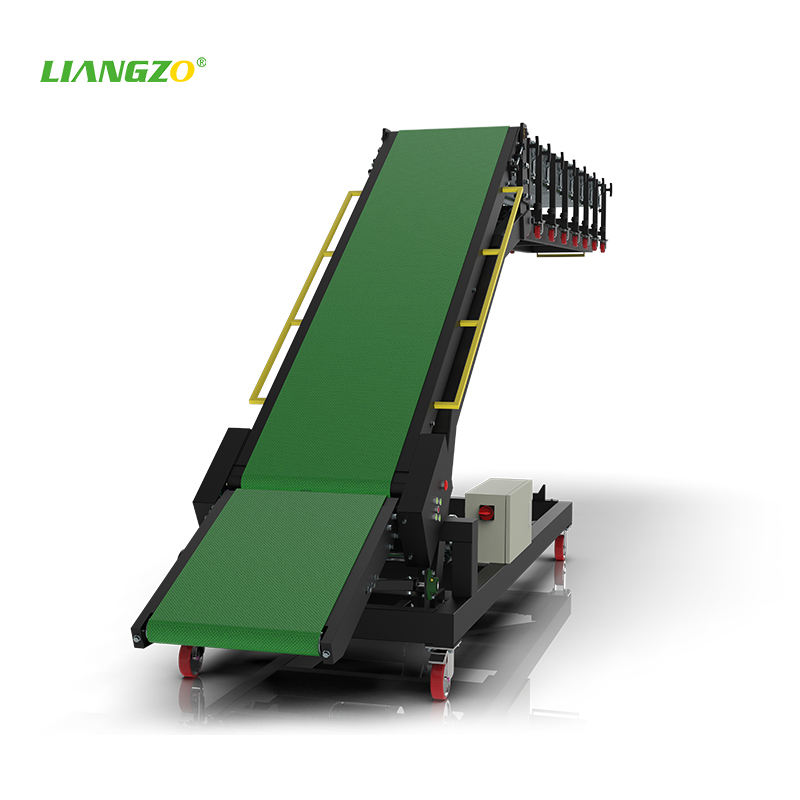
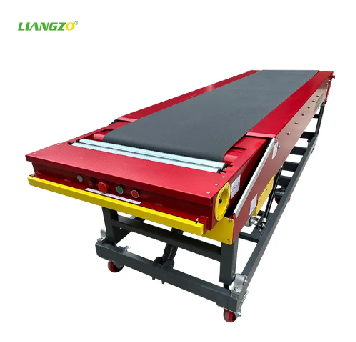
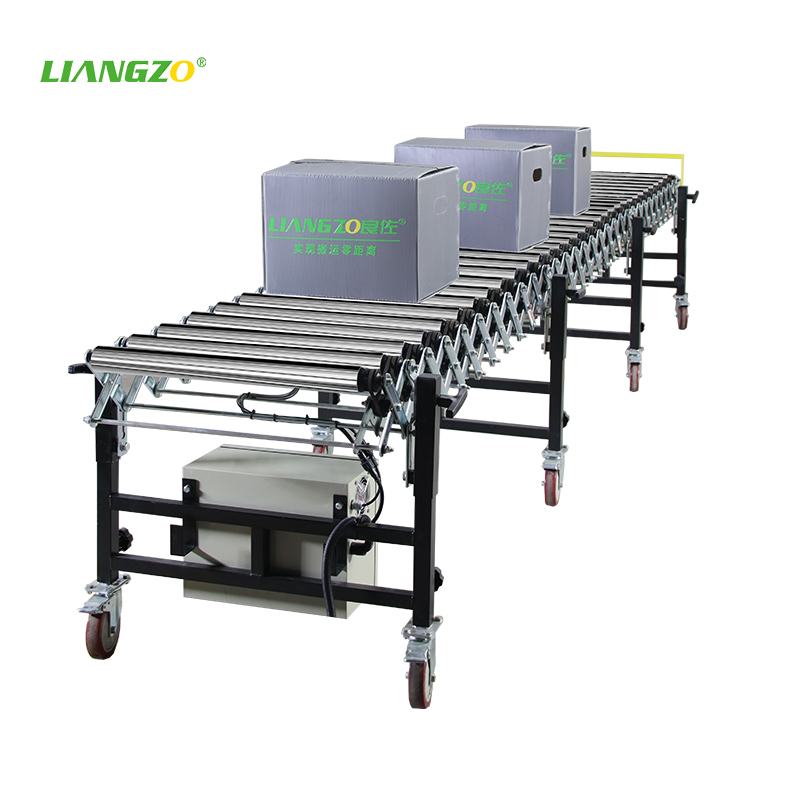
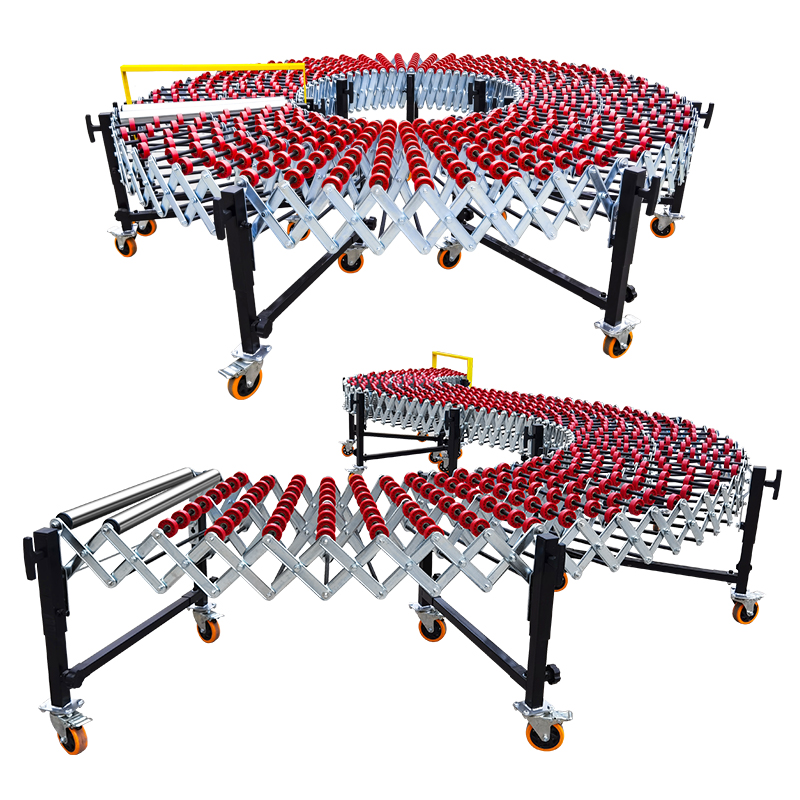
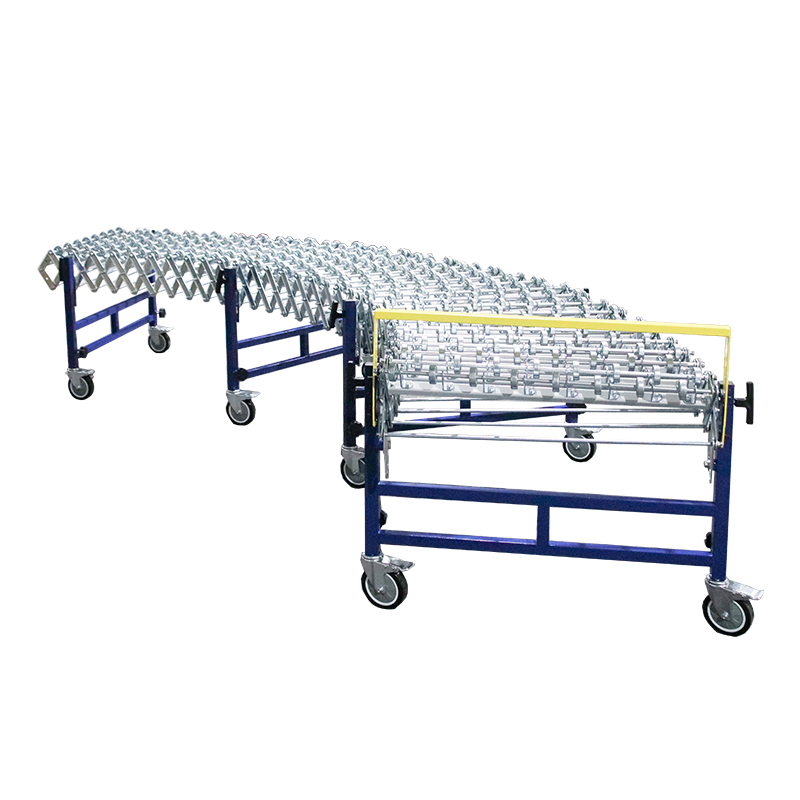
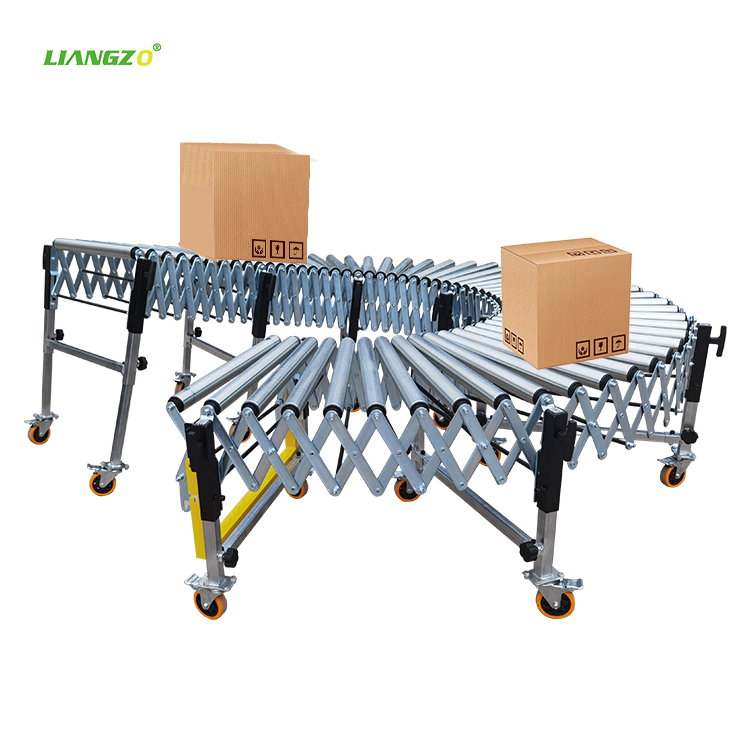
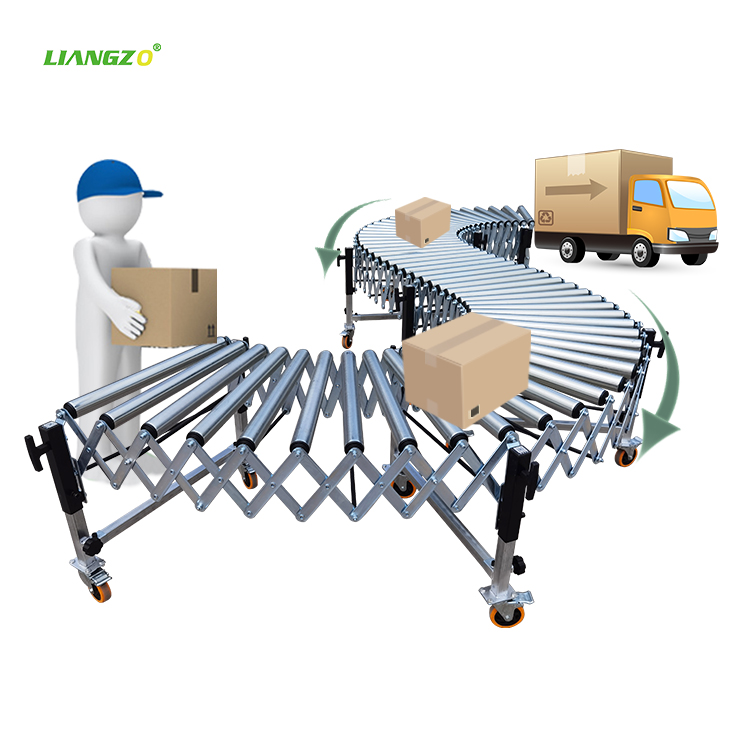
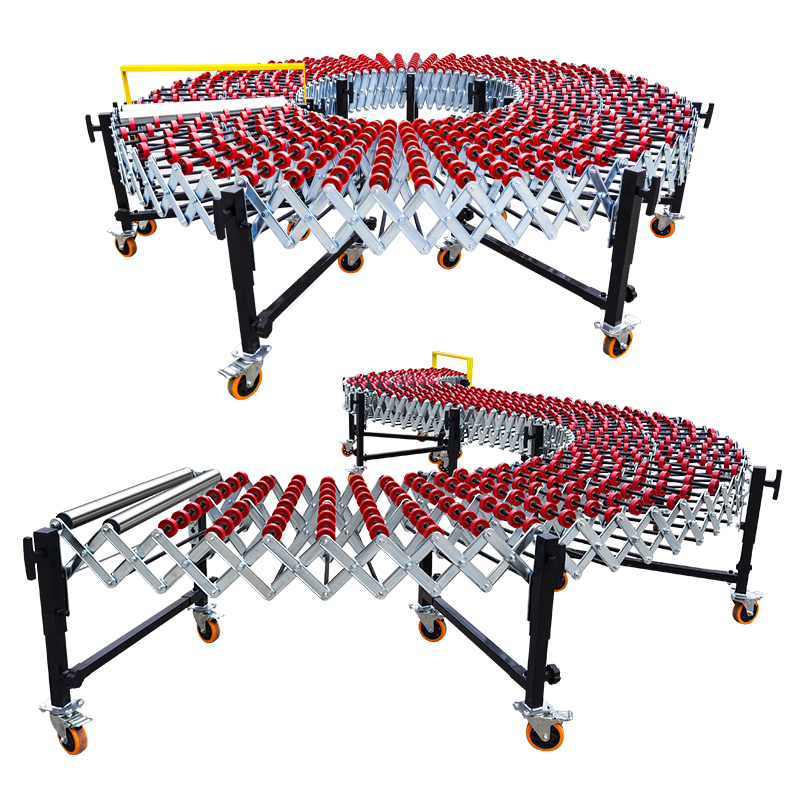

The logistics and warehousing sector is under constant pressure to improve efficiency while managing costs. One of the most labor-intensive and time-critical stages in the supply chain is truck unloading. Portable conveyor systems have emerged as a game-changing solution, offering a blend of flexibility, efficiency, and safety that is redefining standard operating procedures across industries.
Here are ten compelling benefits driving their widespread adoption.
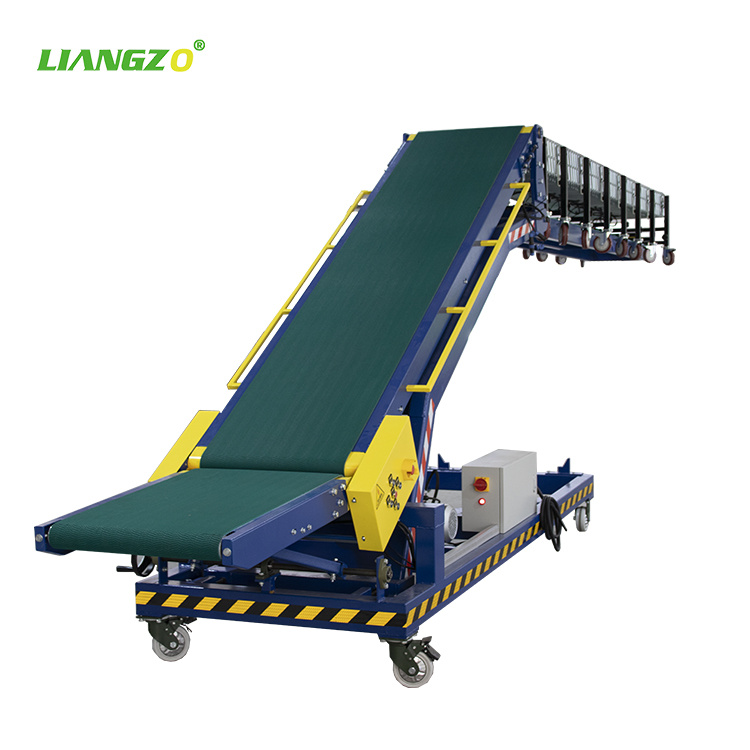
1. Significant Time Savings & Increased Throughput
Portable conveyors drastically reduce truck turnaround time. Manual unloading of a standard trailer can take a crew 2-3 hours. With a conveyor system, this is often slashed to under an hour. This acceleration creates a continuous flow of materials, eliminating the stop-start rhythm of manual labor. The result is a dramatic increase in dock door throughput, allowing facilities to process more trucks per day without expanding their physical footprint.
2. Reduced Labor Costs & Optimized Workforce
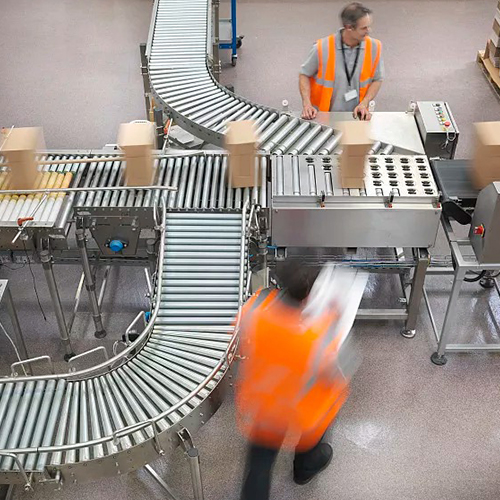
Labor is a major expense in material handling. Portable conveyors augment human effort, allowing a smaller crew to unload a truck faster. Where four workers might have been needed, two can now suffice. This translates into direct payroll savings and reduced overtime. Furthermore, it frees valuable staff to be redeployed to more skilled, value-added tasks like inventory management, quality control, or order picking, optimizing the entire workforce.
3. Enhanced Worker Safety & Lower Injury Risk
Manual unloading is rife with injury risks: heavy lifting, repetitive motions, slips, trips, and falls. Portable conveyors minimize these hazards by doing the heavy carrying. Workers guide items onto and off the belt, avoiding strenuous lifting and reducing fatigue. This leads to a substantial decrease in musculoskeletal disorders and other common warehouse injuries, lowering workers' compensation claims and creating a safer work environment.
4. Unmatched Flexibility & Adaptability
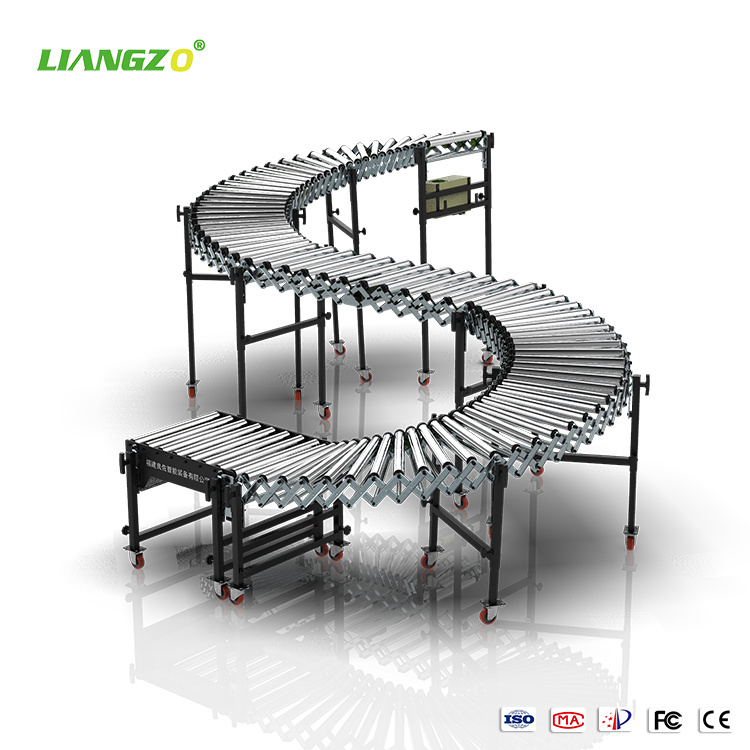
Unlike permanent conveyor installations, portable units are inherently flexible. They can be rolled out when a truck arrives, adjusted in length and height for different trailers and loads, and stored away when not in use. This makes them perfect for facilities with fluctuating volumes, multi-purpose docks, or seasonal peaks. They can easily be moved between locations within a facility or even transported to different job sites.
5. Space Efficiency & Minimal Infrastructure
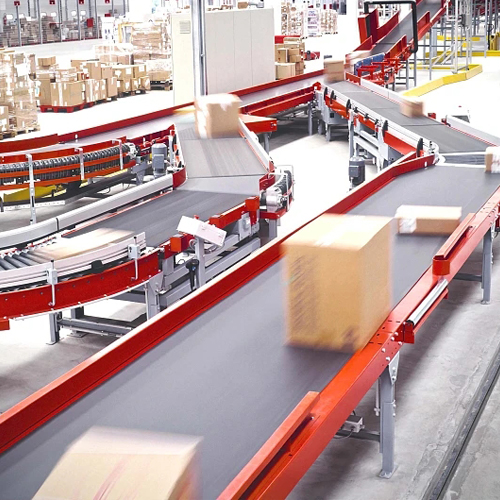
Traditional unloading requires significant staging space inside the dock area. Portable conveyors move materials directly from the trailer to their primary destination—storage racks, palletizing stations, or another conveyor line. This "direct-put-away" approach minimizes clutter at the dock, reduces double-handling, and maximizes usable floor space for storage or other operations.
6. Product-Specific Handling & Reduced Damage
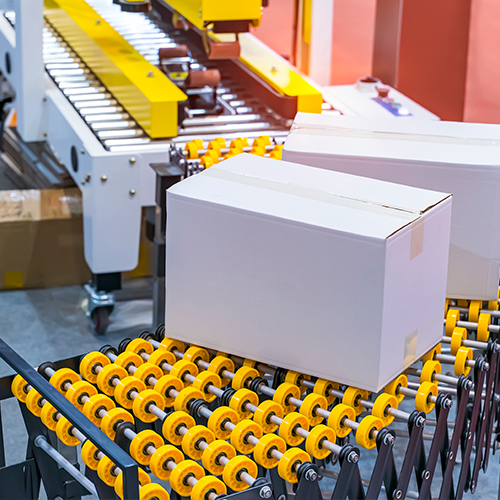
Portable conveyors are not one-size-fits-all. They can be configured with various belt types (smooth, cleated, textured), rollers, or specialized surfaces to handle diverse products gently and securely—from fragile electronics and packed food to bulk grains and construction materials. This tailored handling significantly reduces product damage and spillage compared to manual methods, protecting profit margins.
7. Improved Ergonomics & Reduced Fatigue
Even when manual transfer is still required, conveyors optimize the ergonomics of the task. Workers lift items a shorter distance to place them on the belt, which is often height-adjustable to an optimal level. This eliminates twisting while carrying heavy loads and reduces the physical strain of moving items across long distances inside a trailer, helping workers stay productive and alert throughout their shift.
9. Rapid Return on Investment (ROI)
The combination of labor savings, reduced product damage, lower injury costs, and increased throughput typically delivers a very compelling ROI. Many operations see a payback period of less than 12 months. The investment is also highly predictable, shifting costs from variable labor expenses to fixed, depreciable equipment costs, which aids in financial planning and budgeting.
10. Scalability & Future-Proofing Operations
As business needs change, portable conveyor systems offer easy scalability. Companies can start with a few units and add more as volume grows. The systems can be reconfigured for new products or layouts and are not a permanent, inflexible installation. This modularity future-proofs operations, providing agility to adapt to market changes, seasonal demands, or new facility designs without a major capital overhaul.
Implementation and Considerations
Successful deployment starts with analyzing current unloading bottlenecks, material types, and volumes. Key selection criteria include load capacity, length adjustability, power source (electric, battery), and mobility features. Proper operator training and integrating conveyors into a redesigned workflow are essential to unlock their full potential.
Ready to make the charge?
Stop straining with manual unloading. Portable conveyors speed up operations while protecting your team from injury and fatigue.
Liangzuo Conveyor delivers proven solutions—from lightweight wheel conveyors to heavy-duty telescopic systems.
Explore conveyor collection: telescopic, roller, belt, and slat conveyors—request trial order to experience their quality firsthand.