
In the fast-paced world of logistics, warehousing, and manufacturing, efficient material movement is the backbone of productivity. Among the various tools available, the gravity roller conveyor stands out as one of the simplest, most reliable, and cost-effective solutions. Despite its low-tech appearance, it plays a critical role in streamlining operations across industries.
What Is a Gravity Roller Conveyor?
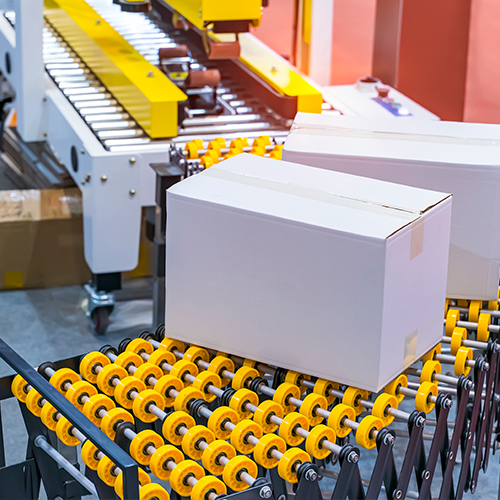
A gravity roller conveyor is a non-powered material handling system that uses the natural force of gravity—or a gentle manual push—to move items along a series of rotating rollers mounted on a frame. It requires no electricity, motors, or complex controls. The system relies on a slight downward angle (typically 1–3 degrees) to allow products to glide from one point to another.
Standard components include:
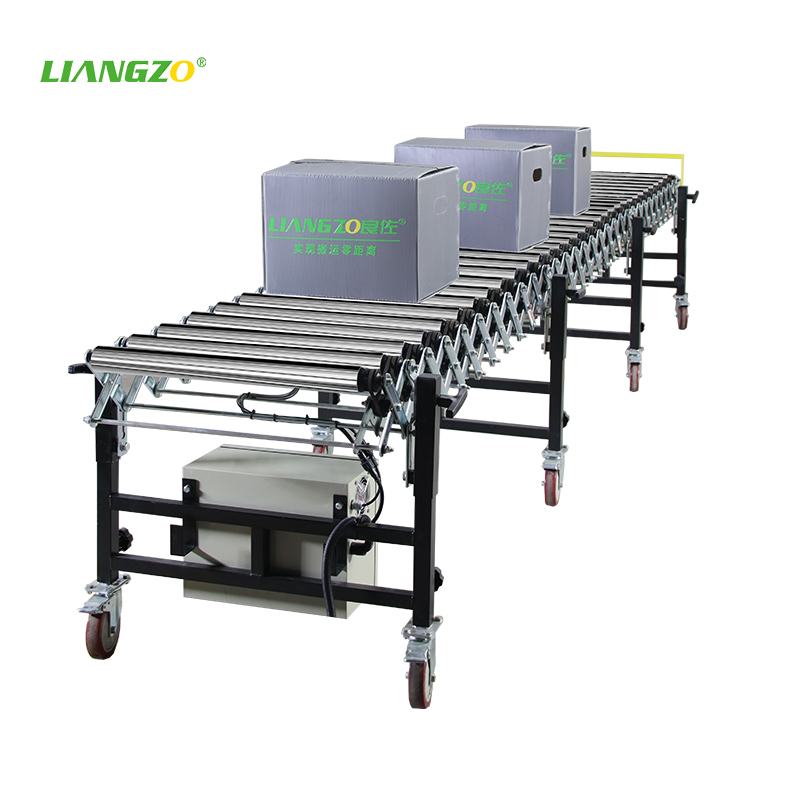
Rollers: Cylindrical tubes made of steel, stainless steel, or plastic.
Bearings: Located inside roller ends to reduce friction.
Frame: Usually constructed from aluminum or painted steel.
Side guards (optional): Prevent items from falling off.
How Do They Work?
The working principle of gravity roller conveyors is deceptively simple yet highly effective.
Incline Setup: The conveyor is installed on a slope. The height difference between the loading and unloading ends creates potential energy.
Roller Rotation: When an object—such as a box, tote, or tray—is placed on the rollers, its weight pushes down, causing the rollers to spin freely due to low-friction bearings.
Gravity-Driven Motion: As long as the incline provides enough gravitational force to overcome static friction and rolling resistance, the object moves forward. Heavier items move more easily; lighter ones may require a steeper angle or a slight push.
Manual Assistance (if needed): In horizontal sections, workers can gently push items, and the rollers will carry them smoothly over short distances.
No electronic sensors, belts, or chains are involved. This simplicity makes maintenance minimal and reliability extremely high.
Why Do They Matter in Material Handling?
Gravity roller conveyors are not just basic tools; they are strategic assets. Below are the key reasons they remain indispensable.
1. Cost Efficiency
Because there are no motors, control panels, or wiring, purchase and installation costs are dramatically lower than powered conveyors. Operational costs are nearly zero—no electricity bills, no motor repairs. For small to medium-sized warehouses or startups, this is a game-changer.
2. Energy Saving & Sustainability
In an era focused on reducing carbon footprints, gravity conveyors consume no energy. They silently contribute to green warehousing initiatives. When installed in loading docks or assembly lines, they allow facilities to cut electricity use while maintaining throughput.
3. Low Maintenance
With no moving electrical parts, breakdowns are rare. Routine maintenance simply involves:
Cleaning dirt or debris off rollers
Checking bearing alignment
Inspecting frame stability
If a roller fails, it can be replaced individually in minutes. Downtime is minimal.
4. Versatility in Applications
Gravity roller conveyors adapt to countless scenarios:
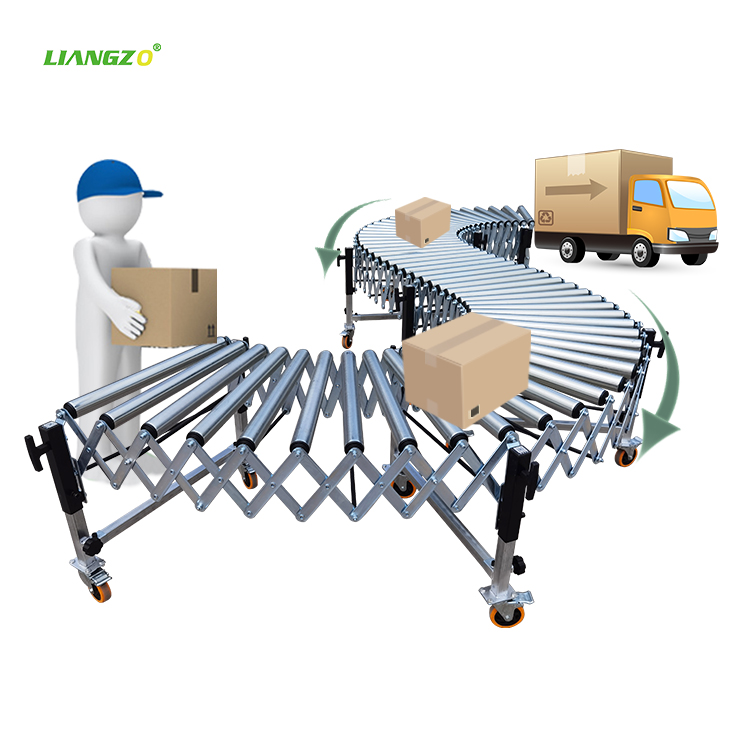
Loading docks: Moving cartons from trucks to staging areas.
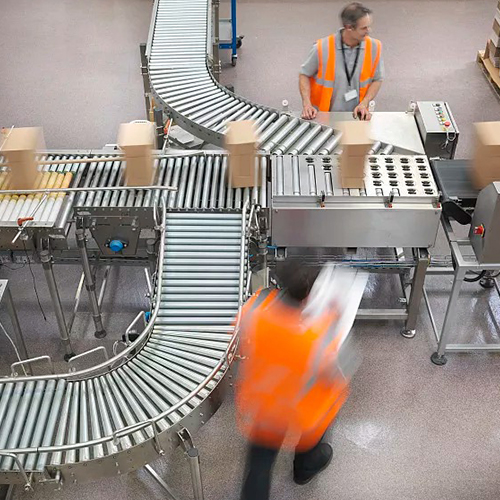
Assembly lines: Gliding partially assembled products between workstations.
Warehouse pick modules: Transporting totes from upper mezzanines to ground level.
Shipping departments: Accumulating packed boxes before palletizing.
Bakery or food processing: Transporting trays through cooling tunnels (with stainless steel rollers).
They handle a wide variety of items: cartons, cases, plastic totes, drums (with proper roller spacing), and even soft bags if placed on trays.
5. Improved Worker Ergonomics & Safety
Without gravity conveyors, workers often carry items repeatedly, leading to fatigue, back strain, and repetitive motion injuries. Gravity conveyors eliminate heavy lifting and reduce walking distances. Items slide smoothly at waist height, allowing ergonomic work postures. Additionally, because there are no pinch points from belts or chains, and no electrical hazards, they are inherently safer than powered systems—provided side guards and end stops are installed.
6. Flexibility & Expandability
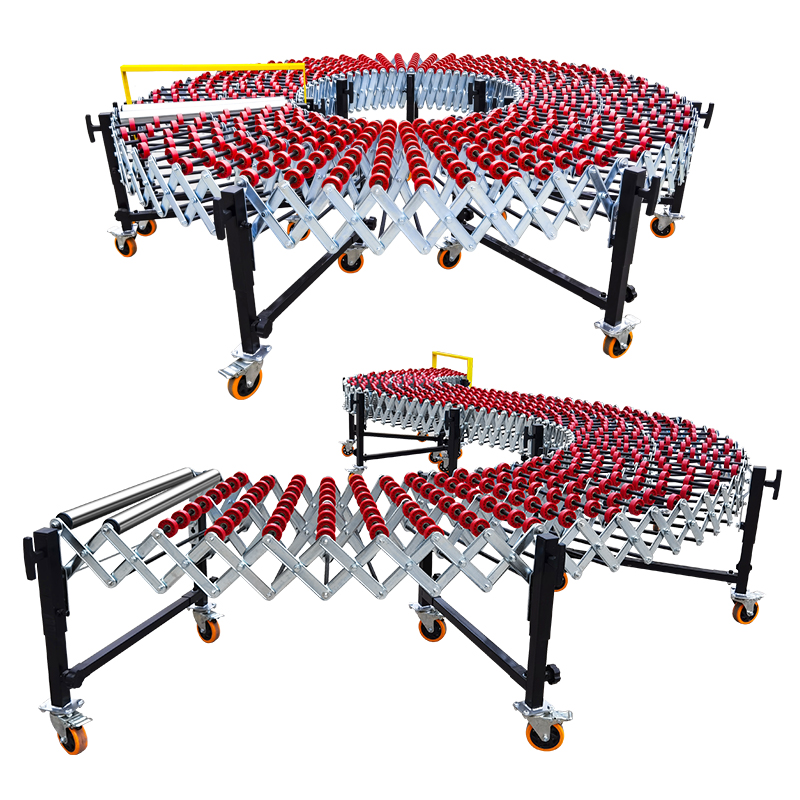
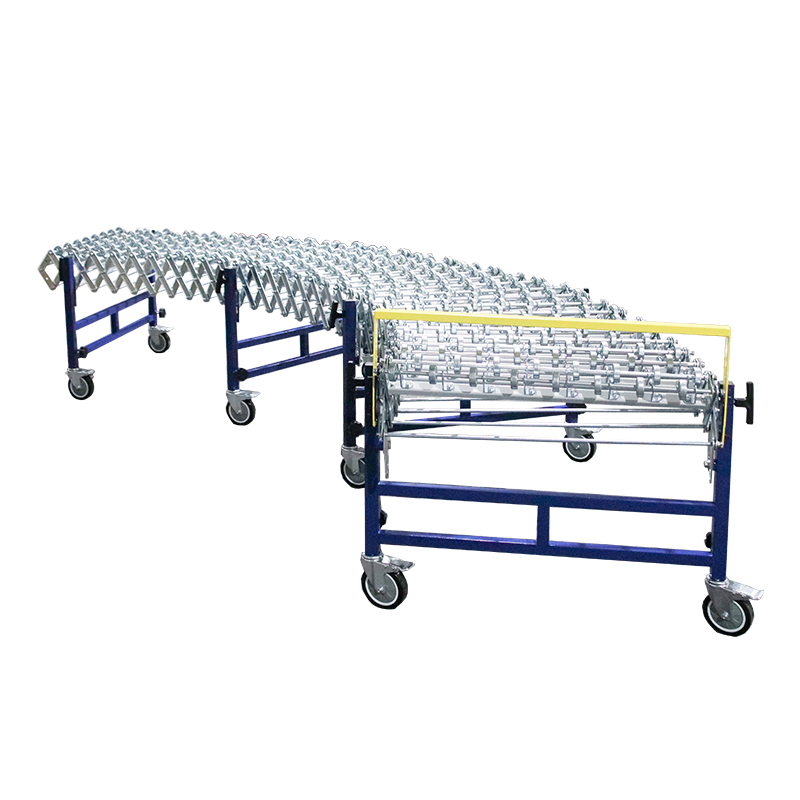
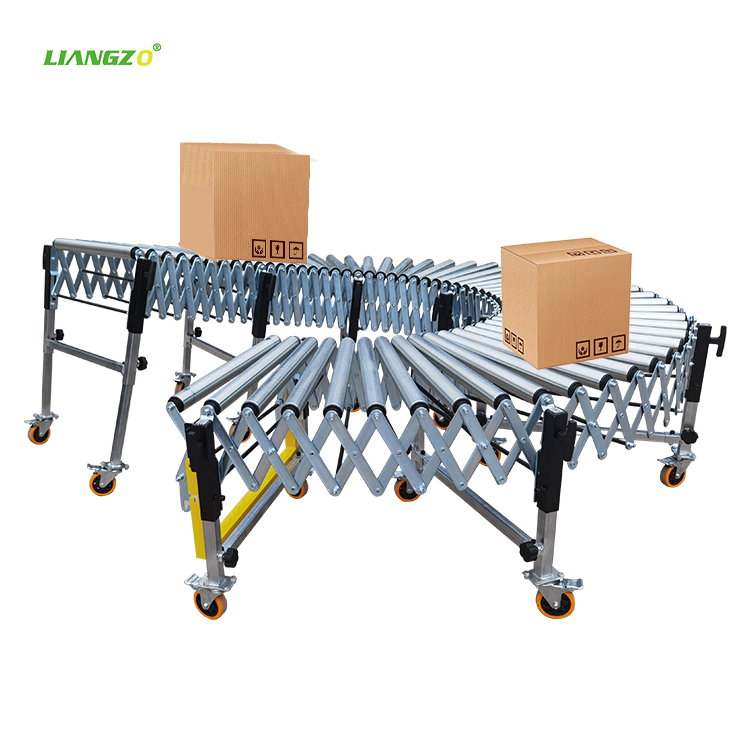
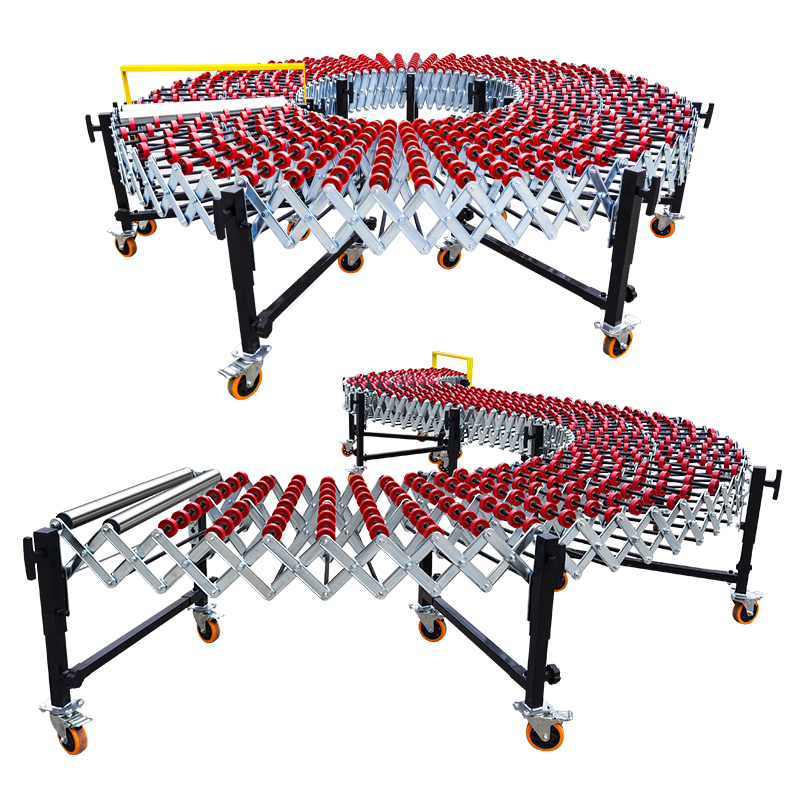
Gravity conveyor sections are modular. They can be easily reconfigured, extended, or moved as warehouse layouts change. Flexible (skate-wheel) conveyors can even curve around obstacles. When business grows, additional sections can be bolted on without re-engineering the whole system.
7. Integration with Powered Systems
Far from being obsolete, gravity conveyors often work alongside powered conveyors. For example:
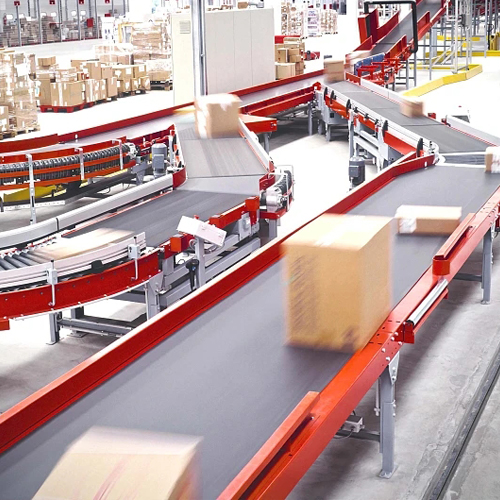
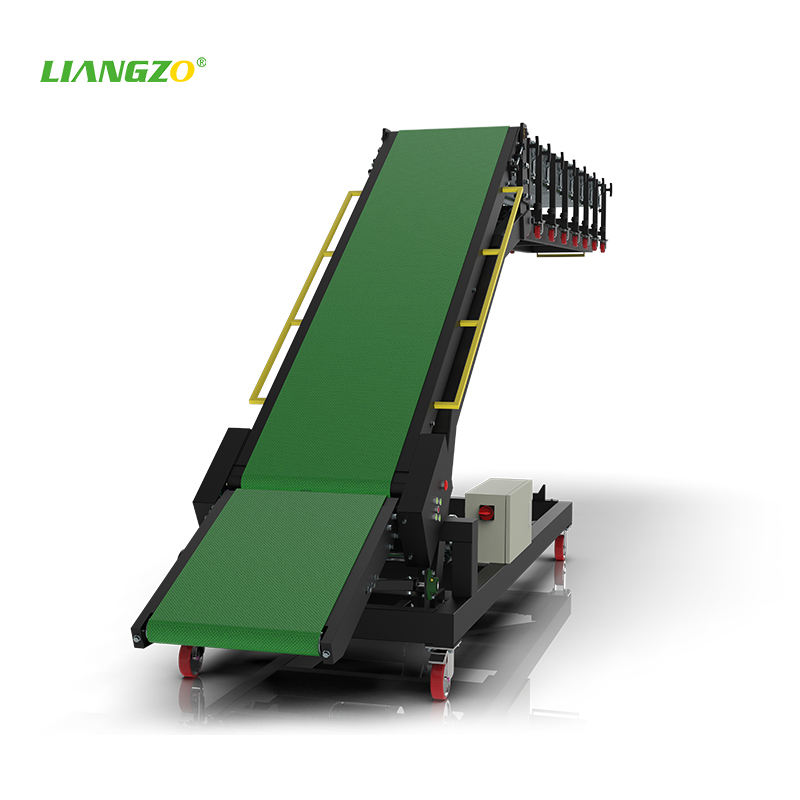
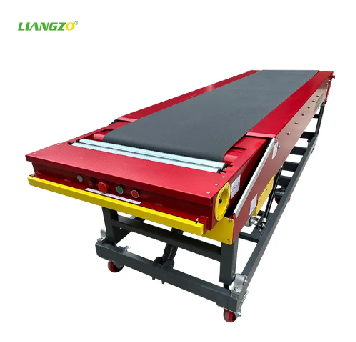
A belt conveyor raises boxes to a mezzanine; then a gravity roller section glides them down to packing stations.
Accumulation zones on gravity conveyors allow buffer storage before automatic sortation.
This hybrid approach maximizes efficiency while minimizing energy use.
Limitations to Consider
No system is perfect. Gravity roller conveyors have constraints:
Slope requirements: Not every facility has space for a long incline.
Product limitations: Very light or irregularly shaped items (e.g., small plastic bags) may not move reliably.
No speed control: Items can accelerate downhill, potentially causing collisions unless brakes or speed controllers are added.
Manual effort for horizontal moves: If the conveyor is level, workers must push items, which reduces efficiency.
Conclusion
Gravity roller conveyors embody the engineering principle that simpler is often better. They harness a free, endless power source—gravity—to move goods safely and efficiently. In an age of automation and AI, these unassuming systems remain the quiet workhorses of material handling. For any facility looking to reduce costs, improve ergonomics, and boost throughput without increasing energy bills, gravity roller conveyors are not just an option; they are a strategic necessity.
Whether you manage a small warehouse or a large distribution center, adding gravity roller conveyors to your material handling toolkit will deliver immediate, lasting returns.